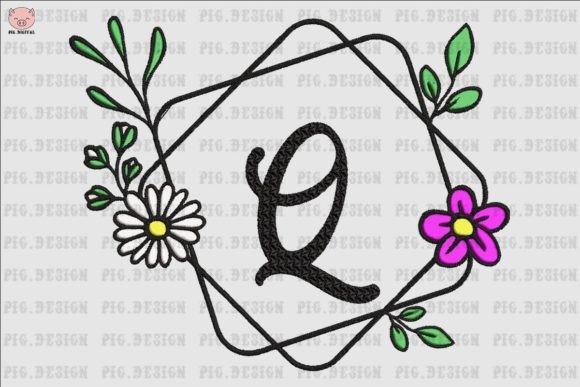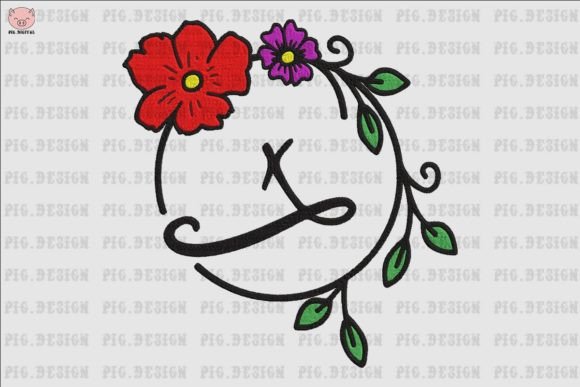
Flower Font X: Where Embroidery Meets Expressive Typography
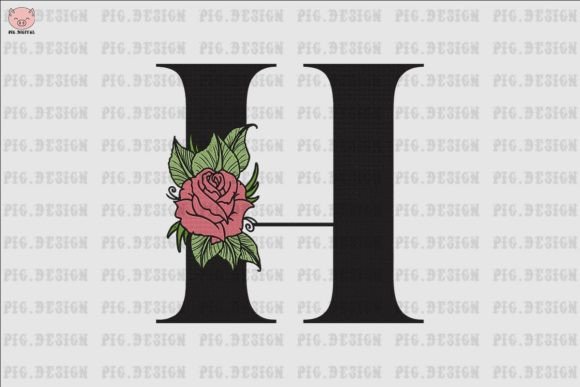
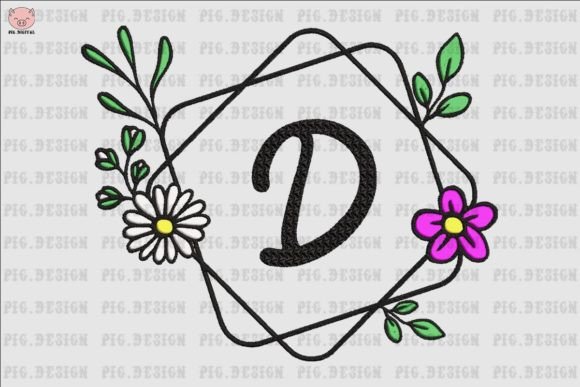
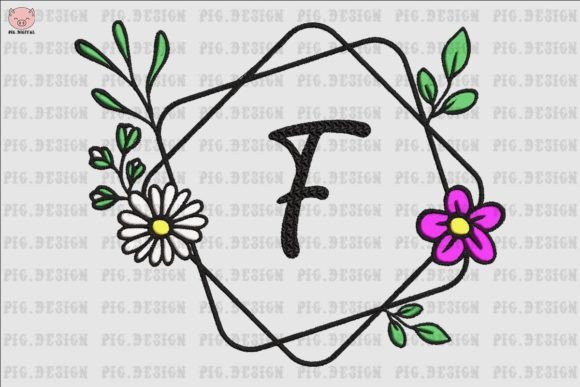
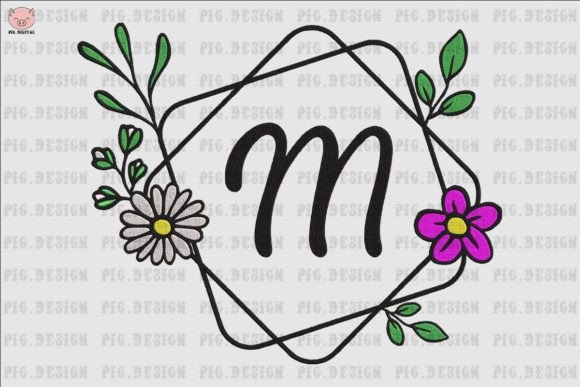
Flower Font X isn’t just another decorative font—it’s a thoughtful bridge between handcrafted charm and modern machine precision. Designed specifically for embroidery enthusiasts and professionals alike, it transforms simple text into delicate, botanical-inspired lettering that feels both timeless and freshly relevant. Each character blooms with subtle floral motifs—petal-shaped terminals, vine-like curves, and soft, organic spacing—that retain legibility while adding quiet sophistication. Unlike generic script fonts, Flower Font X was engineered from the ground up for stitch integrity: balanced density, optimized jump stitches, and consistent underlay make it reliable across fabric types—from lightweight cotton voile to structured linen blends.
Why Embroiderers Are Choosing Thoughtful Typography Over Generic Scripts
Today’s makers aren’t just stitching words—they’re curating meaning. A monogram on a baby blanket, a name on a tote bag, or a quote on a kitchen towel carries intention. Generic fonts often fail at scale: too thin to hold in satin stitch, too dense for small hoops, or too rigid for natural fabric drape. Flower Font X addresses these quietly escalating pain points. Its design anticipates real-world constraints—like how thread tension shifts across cotton versus denim, or how dense fill areas behave when washed repeatedly. That’s why more home-based crafters, boutique apparel brands, and custom gift shops are shifting toward purpose-built embroidery fonts rather than adapting desktop typefaces.
This shift reflects broader changes in creative workflows. As embroidery machines grow more accessible—and software like Embrilliance, Hatch, and Bernina ArtLink become standard tools—users expect seamless compatibility, not hours of digitizing adjustments. Flower Font X delivers that out of the box: it ships with industry-standard file formats including .PES, .DST, .JEF, .VP3, and .XXX. No conversion headaches. No lost detail in translation. Just open, hoop, and embroider—whether you’re using a Brother PE800, Janome MB-4S, or commercial Tajima setup.
From Hobbyist Hoops to Small-Business Branding
For hobbyists, Flower Font X opens up expressive possibilities without requiring advanced digitizing skills. Imagine personalizing a set of napkins for a spring brunch—using the medium weight for place cards, then switching to the light version for a subtle “thank you” on the back of each cloth. Or stitching a child’s name onto a backpack strap with gentle floral flourishes that won’t snag or fray. These aren’t just aesthetic upgrades; they’re functional enhancements rooted in intelligent design choices—like shorter stitch runs in curved areas and strategically placed trims that reduce thread breaks during long runs.
For micro-businesses and solopreneurs, Flower Font X supports brand consistency across touchpoints. A candle maker might use it for labels on soy wax vessels, then repeat the same typographic voice on embroidered tea towels sold alongside them. The font’s versatility means one purchase serves multiple product lines: apparel (think sleeve cuffs or chest pockets), home goods (pillow shams, wall hangings), and occasion-based items (birthday banners, baby shower onesies). That cross-category utility matters when time and budget are finite—and when customers increasingly expect cohesive visual storytelling, not just isolated products.
How Fabric Choice Shapes the Flower Font X Experience
Not all fabrics respond the same way to ornamental typography—and Flower Font X was tested across a spectrum to ensure predictability. On stable, tightly woven cotton poplin, the fine details—like the petal tips on the lowercase “a” or the trailing stem of the “g”—hold cleanly. On knits, the medium-weight variant provides enough body to prevent distortion without over-stabilizing. Even on textured surfaces like burlap or linen canvas, the font’s open counters and generous kerning help maintain clarity, avoiding the “muddy” look that plagues overly intricate scripts.
That attention to material interaction aligns with how today’s creators approach sustainability and longevity. Rather than chasing trends that fade after one season, many are investing in versatile assets—like embroidery designs—that age gracefully. A birthday banner stitched with Flower Font X doesn’t feel dated six months later. It feels intentional. It feels handmade—not because it’s imperfect, but because its rhythm and proportion honor the human hand behind the machine.
Realistic Workflow Integration—No Overhaul Required
You don’t need to relearn your workflow to use Flower Font X. If you typically import SVGs into your embroidery software, you’ll find the included .SVG versions useful for quick layout previews or hybrid projects (e.g., combining embroidered text with printed botanical illustrations). If you prefer working directly in PES or DST, those files retain precise color stops and layer sequencing—so your multi-hue “Happy Birthday” banner transitions smoothly from yellow petals to green stems without manual reordering.
And because Flower Font X includes uppercase, lowercase, numerals, and common punctuation—including ligatures for “fi”, “fl”, and “ff”—you’re not limited to short phrases. You can stitch full names, meaningful dates, or even short quotes (“bloom where you’re planted”) without awkward spacing or mismatched weights. That flexibility supports evolving user expectations: people no longer want single-use designs. They want adaptable systems—tools that grow with their skill level and project scope.
Trends That Matter—And Why Flower Font X Fits Naturally
Three quiet but powerful shifts are reshaping embroidery culture right now: first, the move toward *meaningful minimalism*—where fewer, better-designed elements carry more emotional weight. Second, the rise of *multi-surface creativity*, where the same idea appears across apparel, paper, and textile—demanding typographic harmony across mediums. Third, the growing emphasis on *tool longevity*: buyers prefer one well-documented, widely compatible design over five fragmented options that require constant troubleshooting.
Flower Font X fits into each of these—not as a trend-chaser, but as a response to actual needs. It doesn’t promise viral appeal or algorithmic virality. Instead, it offers something quieter but more durable: confidence in execution, coherence across projects, and continuity between idea and object. That’s especially valuable for educators teaching embroidery basics, freelancers building client portfolios, or marketers developing tactile brand extensions. When your tools behave predictably, your focus stays on storytelling—not software workarounds.
A Practical Starting Point for Your Next Project
Try this: pick one everyday item you’d like to elevate—a plain white pillowcase, a denim jacket pocket, or a set of ceramic mugs with matching tea towels. Choose a short phrase that resonates—“gather”, “rest”, “grow”, or a name. Load the appropriate Flower Font X file into your embroidery software, adjust size to fit your hoop (most users find 2–3 inches wide ideal for balance and detail), and test on scrap fabric first. Notice how the curves flow, how the spacing breathes, how the floral elements enhance rather than overwhelm.
Then expand. Layer it with a simple leaf motif from your existing collection. Pair it with neutral thread colors—ecru on oatmeal linen, sage on ivory cotton—to let the form speak for itself. That’s where Flower Font X shines: not as a standalone spectacle, but as a refined voice in a larger conversation between maker, material, and meaning.
It’s typography designed not just to be seen—but to be lived with. And in an era where authenticity is measured in texture, time, and care, that distinction matters more than ever.