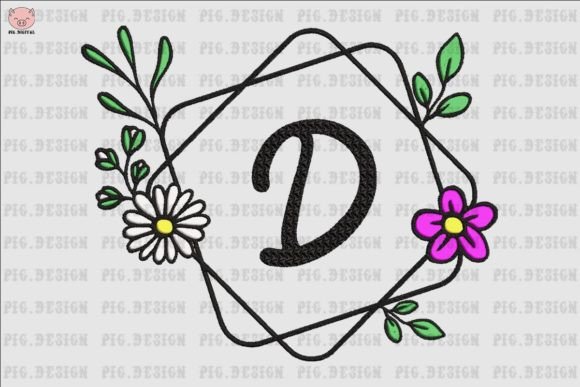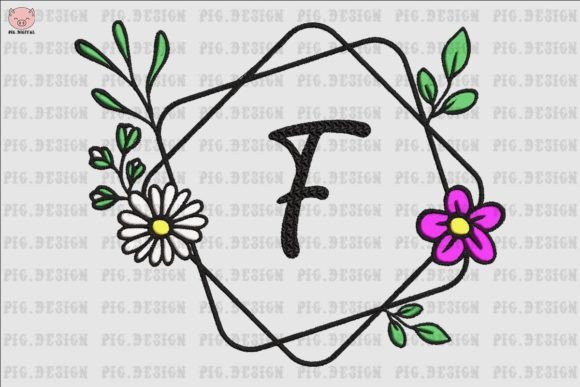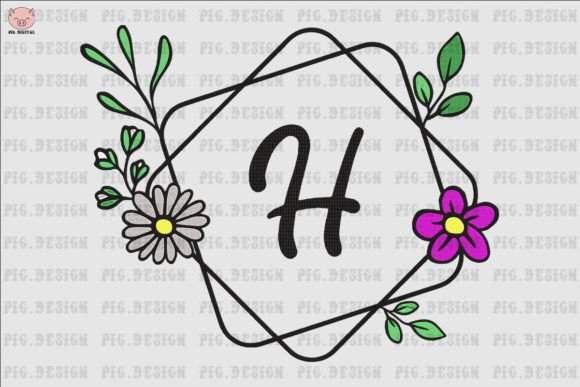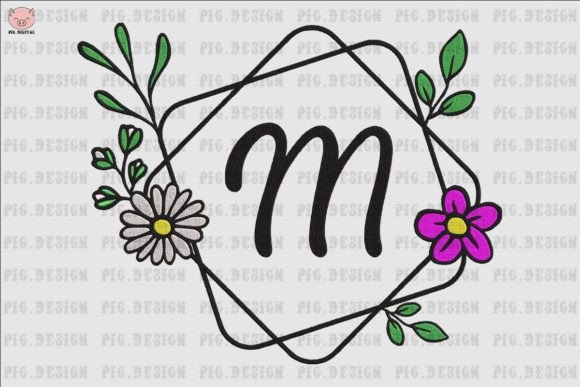
Flower Font W
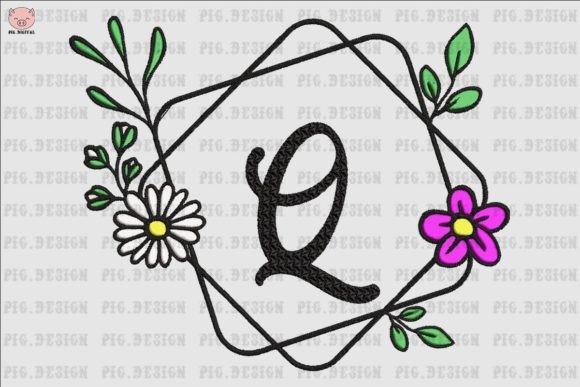
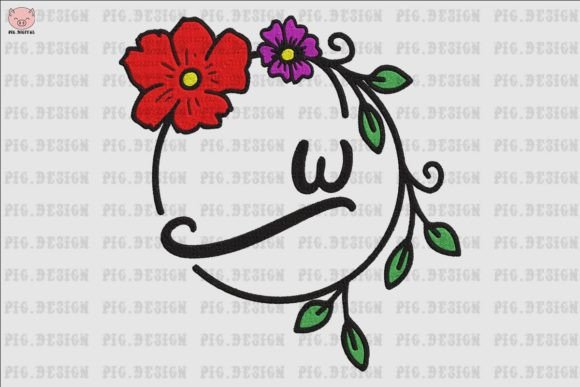
Flower Font W is a machine embroidery design set built around a graceful, hand-drawn floral alphabet—each letter composed of delicate stems, petals, and subtle botanical flourishes. Unlike generic script fonts, Flower Font W was engineered for stitch integrity, thread flow, and fabric compatibility from the outset. It’s not just decorative; it’s functional typography designed to translate cleanly from digital file to physical textile. Whether you’re personalizing a child’s birthday shirt, monogramming linen napkins for a boutique launch, or adding signature branding to handmade pillow covers, Flower Font W bridges aesthetic intention with technical reliability.
Where Flower Font W Fits in Your Embroidery Workflow
Most embroidery projects follow a predictable arc: concept → digitization → testing → production → finishing. Flower Font W enters most naturally at the digitization stage—but its value extends before and after that point. Before digitizing, it helps clarify intent: if your brand voice leans toward warmth and craftsmanship, Flower Font W signals that tone immediately in mockups. During digitization, it eliminates the need to build letters from scratch or adapt incompatible vector files—saving 45–90 minutes per project, depending on complexity. After stitching, it contributes directly to perceived quality: clean underlay, balanced density, and consistent satin-stitch coverage mean fewer reworks and faster client approvals.
It also supports decision-making earlier in the process. For example, when sourcing blank apparel for a small-batch collection, knowing you’ll use Flower Font W informs fabric choice: tightly woven cotton poplin holds detail better than slubbed linen, and mid-weight twill provides enough stability for the font’s fine connecting strokes. That kind of foresight prevents mismatched expectations between design and execution.
Compatibility and Setup: Practical Integration
Flower Font W ships with industry-standard file formats: PES (Brother/Baby Lock), DST (Tajima-compatible machines), JEF (Janome), VP3 (Viking/Husqvarna), and XXX (Melco). No conversion software is required for basic use—but if you’re layering Flower Font W with custom motifs or adjusting stitch order for multi-step designs, ensure your embroidery software supports format import without geometry loss. We recommend testing one letter (e.g., “W”) on your primary machine first, using the same thread, stabilizer, and fabric you plan to use in production.
Stabilizer choice matters more than many assume. For lightweight knits, a tear-away + light cut-away combo prevents puckering around curved letterforms. On denim or canvas, skip tear-away entirely—opt for medium-weight cut-away with light topping. Flower Font W’s satin stitches are dense enough to resist distortion, but only when supported correctly. Keep notes on what works: a spreadsheet column labeled “Fabric → Stabilizer → Stitch Test Pass/Fail” pays dividends across dozens of future projects.
Using Flower Font W Across Project Types
Its versatility isn’t theoretical—it’s baked into how the design scales and segments. Each letter is individually digitized, meaning you can embroider “E” alone on a baby onesie hem, or combine “HAPPY BIRTHDAY” across a 12-inch hoop for a wall hanging. Here’s how it integrates across common use cases:
- Clothing customization: Use the lowercase set for subtle chest logos on organic cotton tees. The slight variation in petal size between letters adds organic rhythm—no two “a”s look identical, avoiding robotic repetition.
- Home decor: Pair Flower Font W with simple stem-stitch borders on tea towels or quilt labels. Because each letter has minimal jump stitches, it layers cleanly with appliqué or free-motion quilting done afterward.
- Gifts and keepsakes: For heirloom pieces like baptism gowns or graduation handkerchiefs, use the high-density version (included) to ensure legibility after repeated washing. The underlay is optimized to lock threads into tightly woven fabrics without excessive bulk.
Workflow Efficiency and Long-Term Usability
Efficiency with Flower Font W comes from consistency—not speed alone. Once you’ve documented your optimal settings (hoop tension, needle type, thread brand), you can replicate them across projects without recalibrating. That predictability shortens turnaround time for repeat clients and supports batch processing: load ten identical tote bags, change thread color between “S” and “U”, and run continuously. No re-hooping. No redesign.
Organization matters just as much. Store Flower Font W files in a dedicated folder with subfolders labeled by case (uppercase/lowercase), density (standard/high-res), and format (PES/DST/etc.). Name files clearly: FlowerFontW_Lowercase_PES_v2. This avoids version confusion when updating software or sharing files with a production partner. If you use cloud storage, add a README.txt listing tested fabric-machine pairings—this becomes an internal knowledge asset over time.
Quality Control and Refinement
Even well-digitized fonts can drift in output. Build quick checkpoints into your routine: after stitching a test piece, hold it up to natural light. Look for gaps in satin columns—especially in tight curves like the inner loop of “e” or “g”. If visible, reduce pull compensation by 5–10% in your machine settings. Also check thread tension: if top thread shows on the back near petal tips, loosen upper tension slightly. These micro-adjustments compound into noticeable improvements in final presentation.
For long-term use, revisit your Flower Font W settings every 6 months—or after switching thread brands, needles, or firmware updates. Machines evolve; so should your calibration. Keep a physical swatch book: label each sample with date, machine model, fabric, stabilizer, and observed behavior (e.g., “DST file on Janome MC15000 — no skipped stitches on 100% cotton sateen”). Over time, this becomes your most reliable reference—not marketing claims, but empirical data.
Integration With Broader Creative Systems
Flower Font W doesn’t exist in isolation. It works alongside design tools like Adobe Illustrator (for layout), Embrilliance (for combining with motifs), and even Canva (for client-facing mockups—use PNG previews included in the download). If you sell via Etsy or Shopify, embed Flower Font W samples directly into product listings: “Personalized with Flower Font W embroidery” sets accurate expectations and reduces post-purchase questions about style.
For educators or workshop leaders, Flower Font W serves as a teaching anchor. Its clear structure makes it ideal for demonstrating concepts like underlay function, density mapping, or stitch direction logic. Students see immediate cause-and-effect: change the satin angle by 15°, and petal sheen shifts visibly. That tangible feedback accelerates learning far more than abstract theory.
Entrepreneurs building lifestyle brands find Flower Font W especially valuable because it delivers cohesion without rigidity. You can use it for packaging stamps, website headers (via SVG export), and physical products—all sharing visual DNA. That consistency builds recognition faster than switching fonts per channel. And because it’s machine-ready—not just pretty on screen—it moves seamlessly from digital planning to tactile delivery.
Final Implementation Notes
Start small. Run one letter on scrap fabric before committing to a full phrase. Note which hoop size gives cleanest results for your machine—some models handle 4×4" better than 5×7" for fine script. Keep your first five projects focused on learning, not output. Then scale deliberately: add one new fabric type per week, document outcomes, and refine. Flower Font W rewards attention to detail—not volume.
Remember: the goal isn’t just to use Flower Font W, but to make it disappear into your workflow. When it stops feeling like “a font I’m applying” and starts feeling like “the natural way I say things in stitch,” you’ve integrated it successfully. That shift—from tool to extension—happens through repetition, observation, and intentional setup. Not magic. Just method.